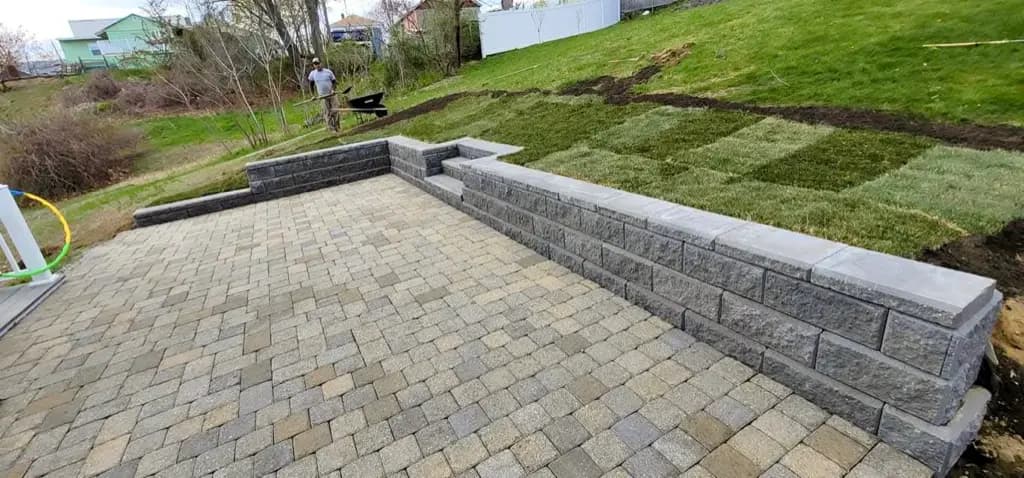
Spring Lawn Care Guide for Concord, MA Homeowners
Back to Blog
Lawn Care

Spring Lawn Care Guide for Concord, MA Homeowners

March 13, 2026Monges Landscaping Team8 min read
Key Takeaways
    • Concord, MA sits in USDA Zone 6b — begin spring cleanup once soil temps reach 45°F (typically mid-March to early April)
    • Dethatch before overseeding to allow seed-to-soil contact and improve germination
    • Aerate in early spring to relieve compaction after winter freeze-thaw cycles
    • Apply pre-emergent crabgrass preventer when forsythia blooms (around mid-April)
    • A well-timed fertilization program keeps Concord lawns thick and weed-resistant all season

Spring in Concord, MA arrives gradually — a softening of the light, the first red wings on the bare branches of the Assabet, and the slow retreat of frost from beneath your lawn. For homeowners in Concord, MA, that moment when the ground finally thaws is both exciting and urgent. The window between frozen tundra and the explosive growth of May is short, and the steps you take during this transition determine how your lawn looks for the entire growing season.

This guide is written specifically for Concord homeowners — for the cool-season turfgrass that covers the properties around Concord Center, the sloping lawns on West Concord's residential streets, the expansive yards near Nine Acre Corner, and the carefully maintained historic properties scattered throughout town. Whether your lawn saw heavy foot traffic last fall or simply needs a seasonal refresh, here is everything you need to know.

Understanding Concord's Climate: Zone 6b Lawn Care

Concord, MA falls in USDA Hardiness Zone 6b, with minimum winter temperatures ranging from -5°F to 0°F. This is important for lawn care because it tells you what grasses thrive here — cool-season species like Kentucky Bluegrass, Perennial Ryegrass, and Tall Fescue — and what timing works for critical tasks.

Our springs are defined by temperature swings. A warm week in early March followed by a hard freeze is completely normal. This freeze-thaw volatility is also what makes Concord's soils so prone to compaction: water expands as it freezes, disrupting soil structure, then contracts, leaving pores collapsed and drainage impaired. Every spring cleanup program for Concord, MA lawns must account for this reality.

The good news: cool-season grasses are ideally suited to the Concord climate. They thrive in the 60–75°F temperatures of New England spring and fall, go semi-dormant in the heat of July and August, and return to vigorous growth in September. Working with this rhythm — rather than fighting it with aggressive summer treatments — is the key to a beautiful Concord lawn.

When to Start: Timing Your Spring Lawn Care in Concord

The single biggest mistake Concord homeowners make in spring is starting too early. Walking on saturated, thawing soil compacts it, squeezing out the air pockets roots need. Aerating or dethatching waterlogged turf damages crowns and delays recovery.

The right time to begin: When the soil has thawed completely and dried enough that your footsteps do not leave visible depressions. In Concord, MA, this typically occurs between mid-March and early April, depending on the winter. Look for two consecutive nights above freezing and a few dry days.

Task timing guide:

  • Debris removal and raking: Mid to late March, as soon as soil is no longer spongy
  • Dethatching: Early April, before new growth exceeds 1 inch
  • Core aeration: Early to mid-April
  • Overseeding: After aeration, mid-April
  • Pre-emergent herbicide: When forsythia blooms and soil temperature reaches 55°F
  • First fertilizer: When grass is actively growing, late April

Step 1: Spring Cleanup — Clearing the Winter Canvas

Before any treatment, walk your entire lawn and remove what winter left behind.

Remove winter debris: Fallen branches, scattered pine cones, sand or gravel pushed onto the lawn by plows, and decomposing leaves all need to go. In Concord's older neighborhoods — particularly around Concord Center and Monument Square — mature trees drop significant debris that can smother emerging grass if left in place.

Assess for damage: Look for areas of gray or pink discoloration (snow mold), brown patches that do not green up with warmer temperatures (possible crown death), matted areas where grass is flat and packed (compaction or smothering), and vole tunnels — narrow raised trails crisscrossing the lawn surface.

Rake vigorously: Use a flexible-tine lawn rake to lift matted grass, break up snow mold patches, and remove thatch that has accumulated over the soil surface. This mechanical lifting encourages air circulation and light penetration, triggering faster green-up across your Concord lawn.

For snow mold damage, gentle raking usually breaks up the affected patches and exposes healthy crowns beneath. Most gray snow mold heals on its own with sun and air. Pink snow mold may require overseeding if crowns were killed.

💡 Pro Tip
Concord's historic properties often have very old, established lawns with significant thatch accumulation. If your thatch layer exceeds half an inch — visible when you pull a small plug of turf — dethatching is essential before any other treatment.

Step 2: Dethatching — Open the Soil for Success

Thatch is the layer of dead roots, stems, and organic matter that accumulates between the green grass blades and the soil surface. A thin layer (under half an inch) is beneficial — it insulates soil and moderates moisture. But when thatch exceeds half an inch, it becomes a barrier that prevents water, air, and nutrients from reaching roots.

Concord, MA lawns on heavy clay soils — common throughout the town — are particularly prone to thatch buildup because clay soils support less microbial activity to break down organic matter.

How to dethatch: For light buildup, a vigorous raking accomplishes the job. For heavier accumulation, a rented power dethatcher (also called a vertical mower or scarifier) makes the work faster and more effective. Run the machine in two perpendicular directions for thorough coverage. The result looks alarming — piles of brown debris and a rough, disturbed surface — but the lawn rebounds quickly and more vigorously.

Rake up all debris after dethatching and compost or dispose of it. Never leave dethatching debris on the lawn surface.

Step 3: Core Aeration — Relieve Winter Compaction

After a Massachusetts winter, Concord's soils are inevitably compacted. The freeze-thaw cycles collapse soil pores, and any foot traffic during the spring thaw makes it worse. Compacted soil restricts root development, slows water infiltration, and makes every other treatment less effective.

Core aeration — using a machine that pulls cylindrical plugs of soil 2–3 inches deep — is the solution. The plugs break apart over the following week or two. The holes left behind provide channels for water, air, and fertilizer to penetrate deep into the root zone.

ℹ️ Good to Know
Leave the aeration cores on the lawn. They will break down within a week and return nutrients and beneficial microbes to the soil surface. Raking them up removes those benefits.

For Concord, MA homeowners dealing with clay-heavy soils — common throughout Middlesex County — core aeration is essential every spring, and ideally again in early fall. The perforated surface after aeration is perfectly prepared for overseeding and fertilizer uptake.

Step 4: Overseeding — Thicken Your Lawn Before Weeds Fill the Gaps

A thick, dense lawn is your best defense against weeds. Bare or thin areas are open invitations for crabgrass, chickweed, and other opportunists that germinate in spring. Overseeding fills those gaps before weeds do.

Choosing the right seed for Concord, MA:

  • Kentucky Bluegrass: Rich blue-green color, spreads by rhizomes to fill bare spots. Best for sunny, well-maintained lawns on Concord's historic properties. Slow to germinate (14–21 days) but long-lived and beautiful.
  • Perennial Ryegrass: Fast-germinating (5–10 days), tolerates moderate shade. Excellent for overseeding thin areas quickly around West Concord neighborhoods.
  • Tall Fescue: Deep-rooted, drought-tolerant once established. Good for Concord properties with drier, sandy soil or slopes near Nine Acre Corner.
  • Fine Fescue blend: Best choice for the shadier lawns common under the large oak and maple canopies on Concord's historic properties near the town center.

Overseeding process:

1. Mow existing lawn short (2–2.5 inches) before seeding

2. Rough up bare areas with a rake to ensure seed-to-soil contact

3. Spread seed at the recommended rate (follow the package)

4. Rake lightly to set seed into the surface

5. Water lightly daily until germination, then transition to deeper, less frequent watering

💡 Pro Tip
Do not apply pre-emergent crabgrass preventer to areas you have overseeded. Pre-emergent prevents ALL seed germination — including your grass seed. Treat overseeded areas separately and hold off on pre-emergent in those spots until the new grass has been mowed at least twice.

Step 5: Fertilization — Feed the Right Way at the Right Time

Concord, MA lawns need a strategic fertilization program. The temptation to fertilize early and heavily in spring is understandable — you want that lush green lawn. But over-fertilizing in early spring pushes excessive top growth at the expense of root development, which weakens the lawn heading into summer heat.

Spring fertilization timeline:

  • Late April: Apply a balanced, slow-release starter fertilizer after grass is actively growing. Look for a formulation with phosphorus (the middle number) to support root development in newly overseeded areas.
  • Late May / Early June: Second application with a balanced slow-release formula for dense, healthy growth.
ℹ️ Good to Know
Massachusetts regulations restrict phosphorus fertilizer application to established lawns. Many lawn fertilizers sold in Massachusetts are phosphorus-free. Check the label and follow state guidelines to protect Concord's waterways — including the Concord River and Sudbury River watersheds.

The professional lawn care programs from Monges Landscaping are designed around Concord's specific soil chemistry and seasonal rhythms — timed applications that maximize effectiveness while minimizing runoff into sensitive waterways.

Step 6: Weed Prevention — Stop Problems Before They Start

The most effective weed control is prevention. In Concord, MA, crabgrass is the primary warm-season weed threat. It germinates when soil temperatures reach 55°F consistently — typically around mid-April in the Concord area, coinciding with forsythia bloom.

Pre-emergent herbicide application: Apply when forsythia is in full bloom. This timing consistently aligns with the crabgrass germination window in Zone 6b. Pre-emergent creates a chemical barrier just below the soil surface that prevents germination.

Common spring broadleaf weeds — dandelions, chickweed, clover — can be addressed with a targeted post-emergent herbicide after grass is established. Spot-treating is preferable to broadcast application.

Natural weed prevention through lawn density: The best long-term weed suppression is a thick, healthy lawn. A properly aerated, overseeded, and fertilized Concord lawn leaves little room for weeds to establish. Every spring treatment builds toward this goal.

Spring Lawn Care for Concord's Historic Properties

Many properties around Concord Center and along Monument Street, Lowell Road, and Barrett's Mill Road feature mature landscapes with old-growth trees, established gardens, and lawns in place for generations. These properties require special considerations.

Root competition: The mature oaks and maples that define Concord's streetscapes compete aggressively with lawn grass for water and nutrients. Lawn areas in heavy root zones often need more frequent fertilization. Consider transitioning the most heavily shaded areas to shade-tolerant groundcovers or naturalized plantings.

Soil compaction from old trees: Surface roots of mature trees create bumps and uneven terrain. Topdressing these areas annually with a thin layer of compost helps level the surface gradually over several seasons.

Historic stone walls: Many Concord properties feature historic fieldstone walls. Lawn adjacent to stone walls often stays wetter longer in spring, potentially developing moss. A light dressing of lime helps if soil pH tests low, and aerating adjacent areas improves drainage.

Spring Lawn Cleanup Services in Concord, MA

A complete spring cleanup in Concord, MA includes debris removal, leaf raking, power raking or dethatching, core aeration, overseeding bare spots, fertilization, and pre-emergent crabgrass prevention — all in the right sequence and at the right time.

The professional seasonal cleanup team at Monges Landscaping serves Concord, MA and surrounding Middlesex County communities. We know Concord's soils, its microclimates, and the specific challenges of maintaining lawns around historic properties and mature tree canopies.

💡 Pro Tip
Book your Concord spring lawn cleanup in late February or early March. Our schedule fills up fast once spring arrives, and the homeowners who plan ahead get the earliest appointments — critical in a town where spring timing is everything.

Building a Year-Round Lawn Care Plan for Your Concord Property

Spring is just the foundation. To maintain a beautiful lawn through Concord's hot summers and brilliant autumn seasons, build on your spring work with:

  • Summer: Water deeply 2–3 times per week, mow at 3.5 inches, monitor for grubs
  • Early Fall: Core aeration, overseeding, and fall fertilization in September — the most important season for Massachusetts lawns
  • Late Fall: Final mow at 2.5 inches, late-season fertilization, complete leaf removal

The lawn care professionals at Monges Landscaping offer year-round programs designed for Concord, MA homeowners who want a beautiful lawn without spending every weekend working on it.

Ready to Get Your Concord Lawn in Shape This Spring?

Whether your lawn needs a simple spring cleanup or a full renovation after a tough winter, Monges Landscaping is ready to help. We serve Concord, MA — including Concord Center, West Concord, Nine Acre Corner, and the surrounding area — with professional lawn care and seasonal cleanup services.

Call (978) 860-5474 or contact us online to schedule your spring lawn care assessment. Slots fill fast — the best time to book is now.

Your Concord lawn deserves the same care as the town's historic landscape. Let us help you make it beautiful.

  • Lawn Care Programs — Comprehensive programs covering fertilization, weed control, aeration, and overseeding for Concord, MA lawns
  • Seasonal Cleanup — Professional spring and fall cleanup to keep your Concord property in peak condition year-round
  • Service Areas: Concord — Learn more about our local expertise in Concord, MA
MLT

Written by

Monges Landscaping Team

spring cleanup
lawn care
concord ma
landscaping tips

Ready to Transform Your Landscape?

Get a free consultation and quote today