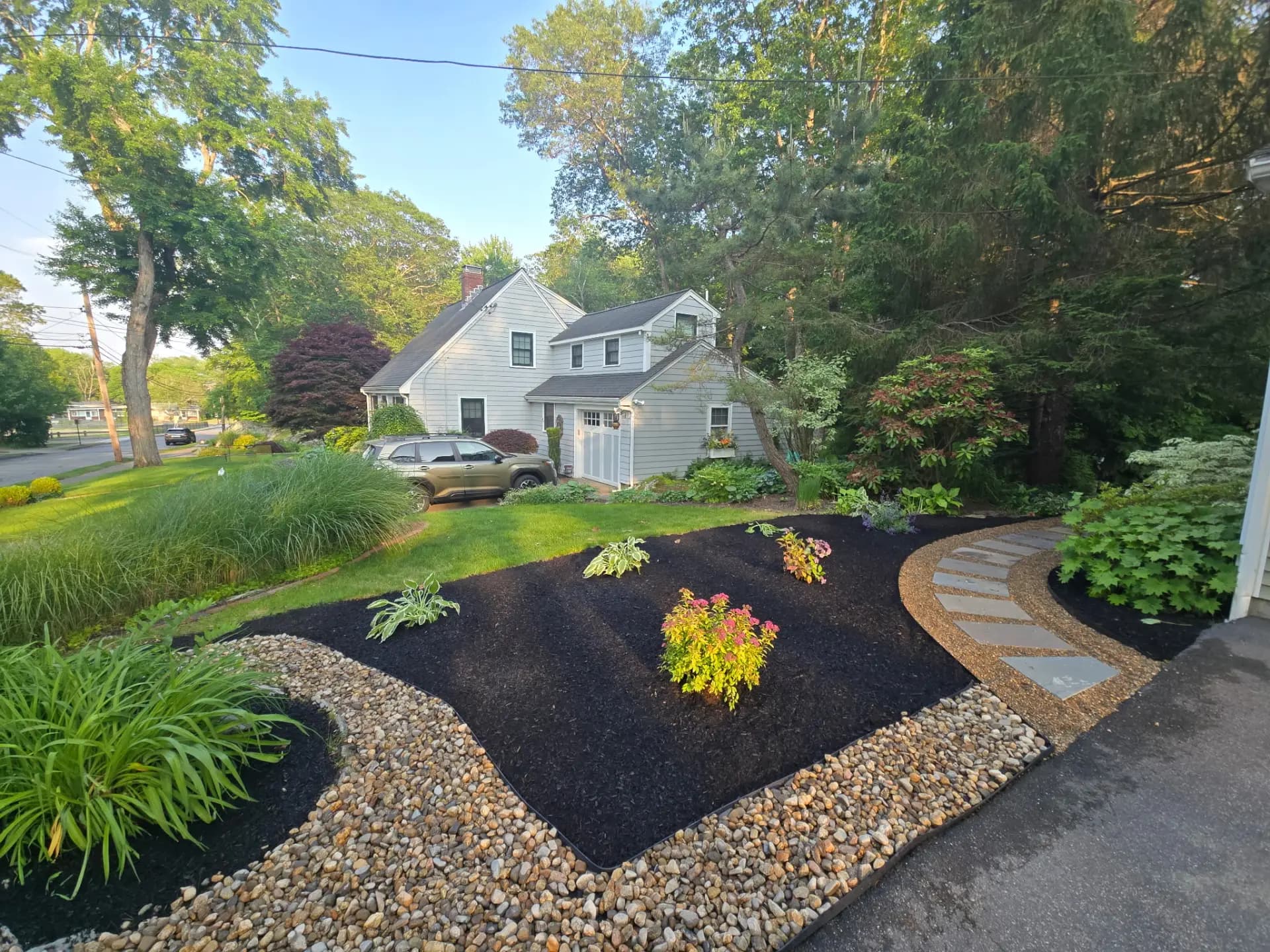
Spring Landscaping Guide for Central MA Towns: Bolton, Sterling, Lancaster & Beyond
Back to Blog
Seasonal

Spring Landscaping Guide for Central MA Towns: Bolton, Sterling, Lancaster & Beyond

March 19, 2026Monges Landscaping Team9 min read
Key Takeaways
    • Central MA soil (especially in Bolton and Sterling) tends to be rocky and acidic β€” test pH before liming
    • Most lawns in the Lancaster-Bolton corridor need 2-3 inches of compost worked into thin topsoil layers
    • Spring cleanup in Berlin and Boylston should start mid-March but hold off on seeding until soil hits 55 degrees F
    • Properties near the Nashua River and Wachusett Reservoir face unique drainage challenges
    • Budget $400-$800 for a professional spring cleanup on a typical half-acre Central MA lot

If you live in Bolton, Sterling, Lancaster, or any of the towns scattered across Central Massachusetts, you already know spring arrives on its own schedule out here. One week the snow is melting off the fields along Route 117 in Bolton, and the next week a late-March nor'easter buries everything again. That unpredictability makes spring landscaping in Central MA a different game than what homeowners deal with closer to Boston.

We have been servicing properties throughout this corridor for years, and these are the lessons we have learned about getting Central MA yards ready for the growing season β€” tips that apply whether you are on a one-acre lot off Main Street in Sterling or managing five acres in rural Berlin.

Start With a Damage Assessment

Before you touch a rake or fire up the mower, walk your entire property. Winter in Central Massachusetts is harder on landscapes than most people realize. The freeze-thaw cycles between January and March wreak havoc β€” heaving pavers, cracking retaining walls, and pushing fence posts out of alignment. Properties in Bolton along the Still River and in low-lying areas of Lancaster near the Nashua River are especially prone to frost heave damage because the water table sits close to the surface.

Here is what to look for during your walkthrough:

  • Lawn damage: Brown patches, bare spots, and areas where voles tunneled under snow cover. Vole damage is extremely common on Bolton and Sterling properties that border conservation land or orchards.
  • Tree and shrub damage: Broken branches from ice storms, split crotches on maples, and winter burn on evergreens. The wind exposure on hilltop properties in Berlin and Boylston makes winter burn especially common on arborvitae and boxwood.
  • Hardscape shifts: Check patio pavers, walkways, and retaining walls for any movement. The clay-heavy soils in parts of Lancaster and Sterling hold water and freeze aggressively, pushing hardscape out of position.
  • Drainage issues: Note where water pools after snowmelt. These wet spots need to be addressed before they kill grass or erode soil during spring rains.
πŸ’‘ Pro Tip
Take photos during your walkthrough. When you call us for an estimate, those photos help us give you accurate pricing without needing multiple site visits. It saves you time and gets the work scheduled faster.

Soil Testing: Do Not Skip This Step

Central Massachusetts soil is notoriously variable. Drive five minutes from Bolton Center toward Harvard and the soil can shift from sandy loam to heavy clay. Sterling properties along Redemption Rock Trail tend to have rocky, acidic soil that tests around 5.5-6.0 pH β€” too acidic for most turf grasses, which prefer 6.2-7.0.

Get a soil test through UMass Amherst Extension (about $20 for a basic test). The results tell you exactly what amendments your soil needs rather than guessing. Most Central MA lawns need:

  • Lime: To raise pH. Apply pelletized lime at the rate your soil test recommends β€” typically 50-75 lbs per 1,000 sq ft for the acidic soils common in Bolton, Sterling, and Berlin.
  • Compost: Central MA properties often have thin topsoil over rocky subsoil or hardpan clay. Spreading 1-2 inches of screened compost and raking it into existing turf adds organic matter that improves both drainage and water retention.
  • Starter fertilizer: If you are overseeding bare patches, use a starter fertilizer high in phosphorus to encourage root development.

Spring Cleanup: The Right Order Matters

There is a logical sequence to spring cleanup that makes the work more efficient. Here is how we approach it on Central MA properties:

Week 1 β€” Debris removal and dethatching (mid to late March)

Remove fallen branches, leaves that matted down over winter, and any debris blown across the yard. On Sterling properties along Rt. 12, wind-blown trash from the road is a constant spring cleanup item. Dethatch the lawn if the thatch layer exceeds half an inch β€” a condition common on older lawns in Lancaster and Boylston that have not been aerated regularly.

Week 2 β€” Edging and bed preparation (late March to early April)

Re-cut bed edges along walkways, driveways, and garden borders. Central MA properties tend to have mature perennial beds that creep outward each year. Clean, defined edges immediately sharpen the look of the whole property. Remove last year's dead perennial stalks, pull early weeds, and spread 2-3 inches of bark mulch.

Week 3 β€” Lawn repair and fertilization (mid-April, once soil reaches 55 degrees F)

Overseed bare patches with a sun/shade mix suited to your property's conditions. Apply a balanced slow-release fertilizer (look for a 3-1-2 ratio like 21-7-14). For properties in Boylston and Bolton with heavy shade from mature oaks and maples, use a fine fescue blend that tolerates low light.

Week 4 β€” Mulching and pre-emergent (late April)

Apply pre-emergent crabgrass control before soil temperatures reach 58 degrees F consistently. In Central MA, this window typically falls between April 15 and May 1 depending on the year. Finish mulching all beds and tree rings.

Dealing With Central MA's Rocky Soil

Anyone who has tried to dig a fence post hole in Bolton or plant a tree in Sterling knows the reality: rocks. Central Massachusetts sits on glacial till, and the soil is full of fieldstone, cobble, and sometimes ledge just below the surface. This affects landscaping in practical ways:

  • Raised beds work better than in-ground gardens on many Central MA properties, especially in Berlin and Boylston where ledge is close to the surface.
  • Root zones for new trees and shrubs often need to be excavated with a mini-excavator rather than hand-dug. Budget accordingly.
  • Drainage solutions like French drains require more excavation effort (and cost) when they hit rock. On Lancaster properties near Ponakin Hill, we regularly encounter ledge at 18-24 inches.
πŸ’‘ Pro Tip
If you are planning a major landscaping project on a rocky Central MA lot, ask your landscaper about test holes before committing to a design. Discovering ledge after the project starts is expensive. Discovering it before is just information.

Irrigation Considerations for Central MA Properties

Many homes in Bolton, Sterling, and Lancaster rely on private wells rather than municipal water. This matters for irrigation planning:

  • Well capacity: A standard irrigation zone uses 10-15 gallons per minute. If your well produces less than that, you need a system designed with smaller zones and longer run times.
  • Water restrictions: Even on well water, some towns enforce outdoor watering restrictions during drought. Check with your town hall in Bolton or Sterling before installing a new system.
  • Smart controllers: Weather-based irrigation controllers adjust watering based on actual conditions β€” they skip cycles after rain and reduce output during cool periods. On a Central MA property with well water, this saves significant pump run time and extends well life.

A professionally installed irrigation system for a typical half-acre lot in Bolton or Sterling runs $3,500-$6,000 depending on zones, head types, and water source configuration.

Landscape Design That Fits Central MA Character

Central Massachusetts has a distinct aesthetic. It is not suburban Boston and it is not the Berkshires. The towns of Bolton, Sterling, Lancaster, Berlin, and Boylston have a rural-suburban character β€” working farms next to subdivisions, stone walls along country roads, apple orchards visible from back decks. Good landscape design out here respects that character.

What works well on Central MA properties:

  • Native plantings: Red maple, white birch, winterberry holly, and native ferns thrive without heavy maintenance and look natural against the backdrop of Central MA woodlands. Check out our guide on native plants for Massachusetts landscaping.
  • Stone walls and natural stone: Fieldstone walls β€” either restored originals or new construction using locally sourced stone β€” connect your property to the agricultural heritage of the region.
  • Meadow areas: On larger lots in Berlin, Boylston, or rural Bolton, converting portions of lawn to managed wildflower meadow reduces mowing, supports pollinators, and fits the rural character. We cover this in our sustainable landscaping guide.
  • Functional spaces: Fire pits, outdoor dining areas, and garden rooms that take advantage of the views β€” whether that is looking out over Sterling's orchards or the hills of Berlin.

What Professional Spring Landscaping Costs in Central MA

Pricing for spring landscaping services varies based on property size, condition, and scope. Here are realistic ranges for the Bolton-Sterling-Lancaster corridor:

ServiceTypical Cost (2026)
Spring cleanup (half-acre lot)$400–$800
Dethatching$200–$400
Core aeration$150–$300
Overseeding (per 1,000 sq ft)$80–$150
Mulch installation (per yard)$85–$120 installed
Bed edging (per linear foot)$2–$4
Soil testing + amendment$150–$300

These prices reflect the Central MA market, which tends to run slightly lower than Metro West communities closer to Boston due to lower overhead costs. We offer free estimates for all spring services across Bolton, Sterling, Lancaster, Berlin, and Boylston.

Get Your Central MA Property Ready This Spring

Spring is the busiest season in the landscaping calendar, and crews book up fast β€” especially for the Bolton, Sterling, and Lancaster area where we have a strong roster of repeat clients. If you want your property on the schedule for March or April cleanup, reach out sooner rather than later.

Contact us at (978) 860-5474 or get a free estimate. We service all of Central Massachusetts including Bolton, Sterling, Lancaster, Berlin, and Boylston.

MLT

Written by

Monges Landscaping Team

spring cleanup
lawn care
bolton ma
sterling ma
lancaster ma
central ma
berlin ma
boylston ma

Ready to Transform Your Landscape?

Get a free consultation and quote today